
Respect the Oompa Loompas
Censoring the Works of Roald Dahl Is a Mistake

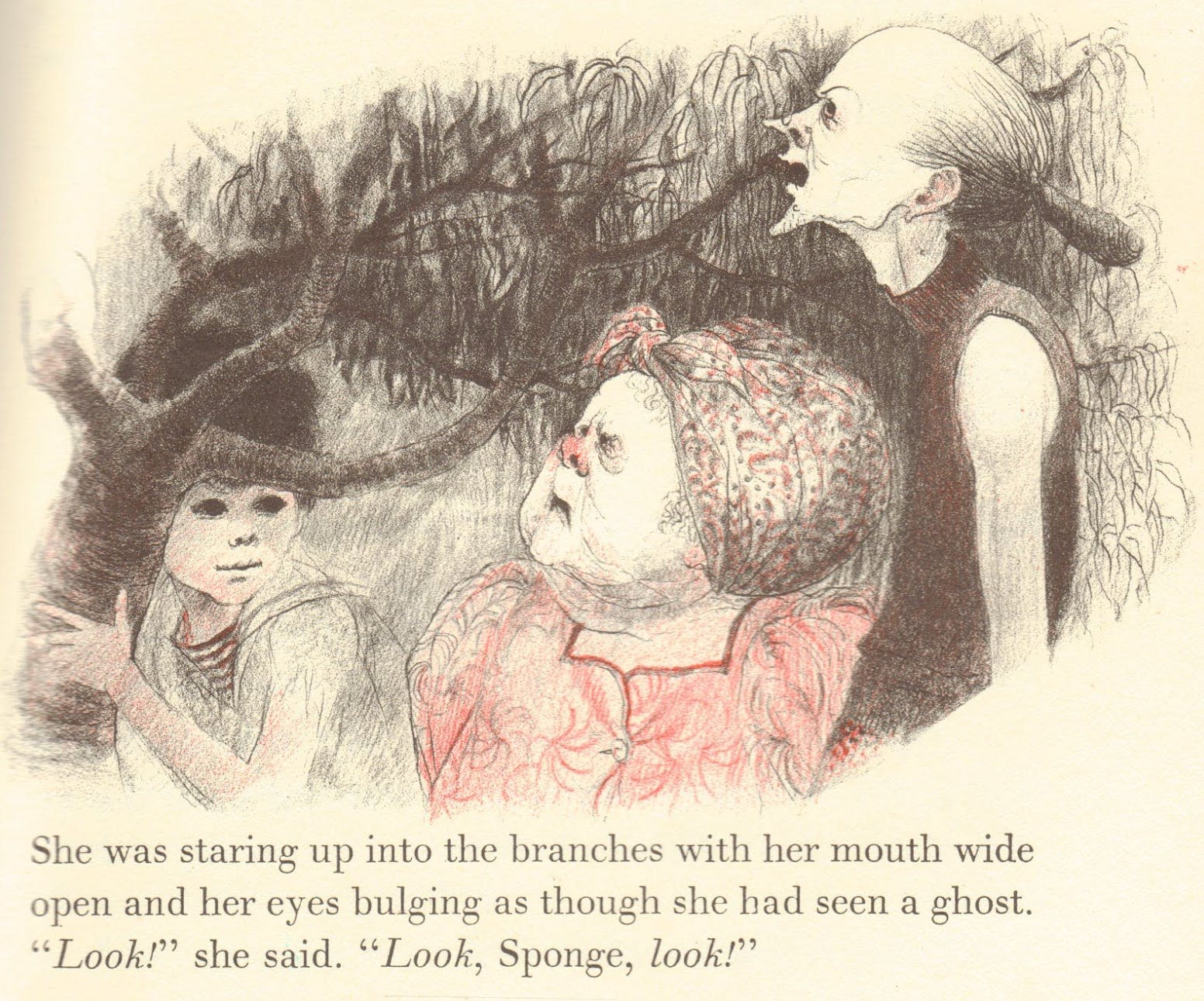
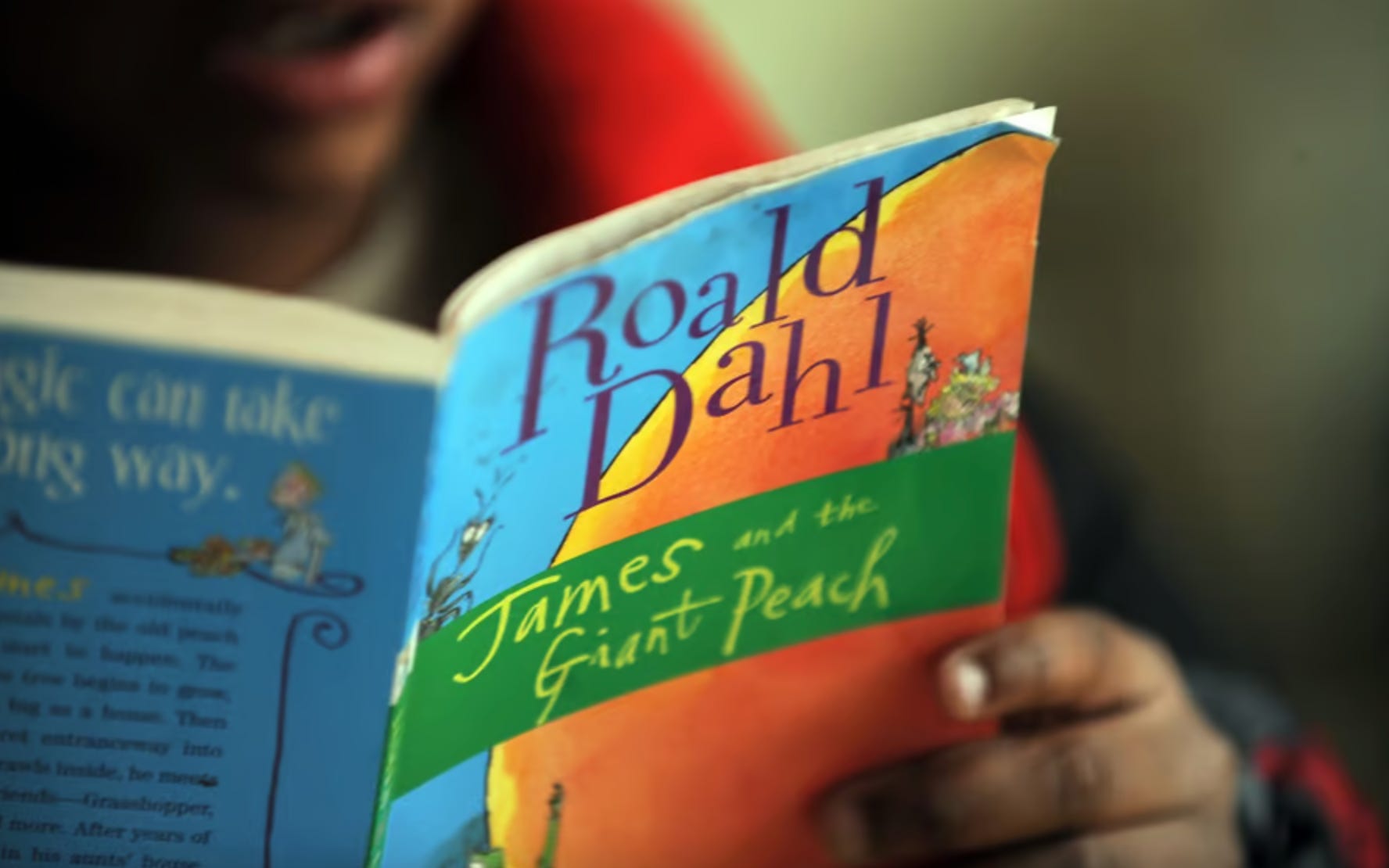
The Oompa Loompas of Charlie and the Chocolate Factory are now “small people” rather than “small men”. Aunt Sponge of James and the Giant Peach is no longer “terrifically fat” or “tremendously flabby”.
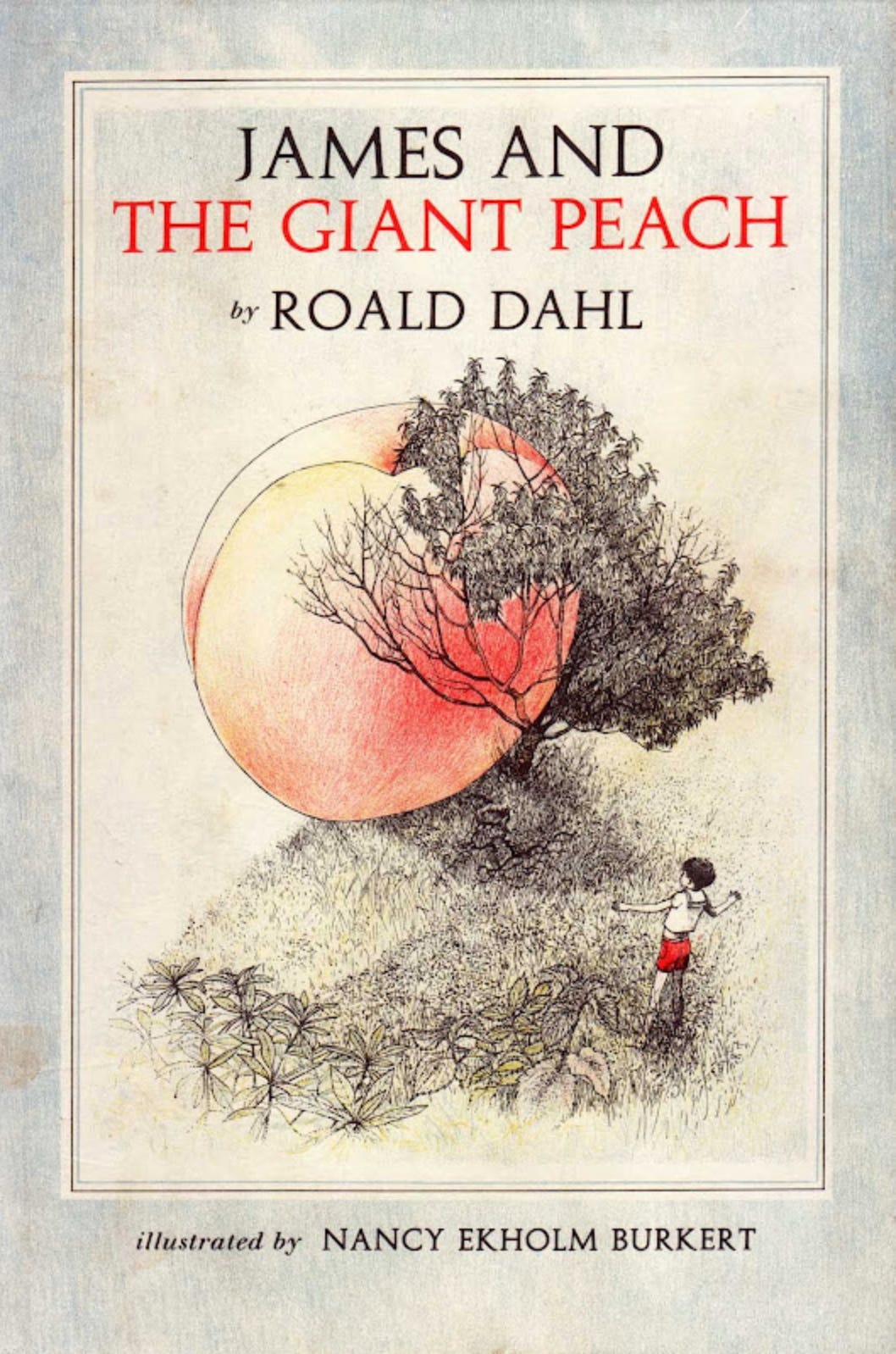
Penguin Random House Children’s in the UK has chosen to posthumously revise numerous works written by Roald Dahl – the renowned, quirky, and often sarcastic British children’s book author. The publisher has eliminated and re-written hundreds of words in an apparent effort to “protect young readers” by making books many readers consider children’s “classics” more palatable to some. In implementing the changes to Dahl’s books, the publisher collaborated with The Roald Dahl Story Company and Inclusive Minds. The latter describes itself as an “organisation that works with the children’s book world to support them in authentic representation, primarily by connecting those in the industry with those who have lived experience of any or multiple facets of diversity.”
The prime minister and the queen consort of Britain as well as literary figures such as Salman Rushdie lambasted the move. “Roald Dahl was no angel but this is absurd censorship. Puffin Books and the Dahl estate should be ashamed,” tweeted Mr. Rushdie.
Last Friday, the publisher responded to criticisms of its significant alterations of Dahl’s stories by announcing that it will now publish an unedited collection of seventeen of Dahl’s works as well. “The Roald Dahl Classic Collection will sit alongside the newly released Puffin Roald Dahl books for young readers,” according to the imprint.
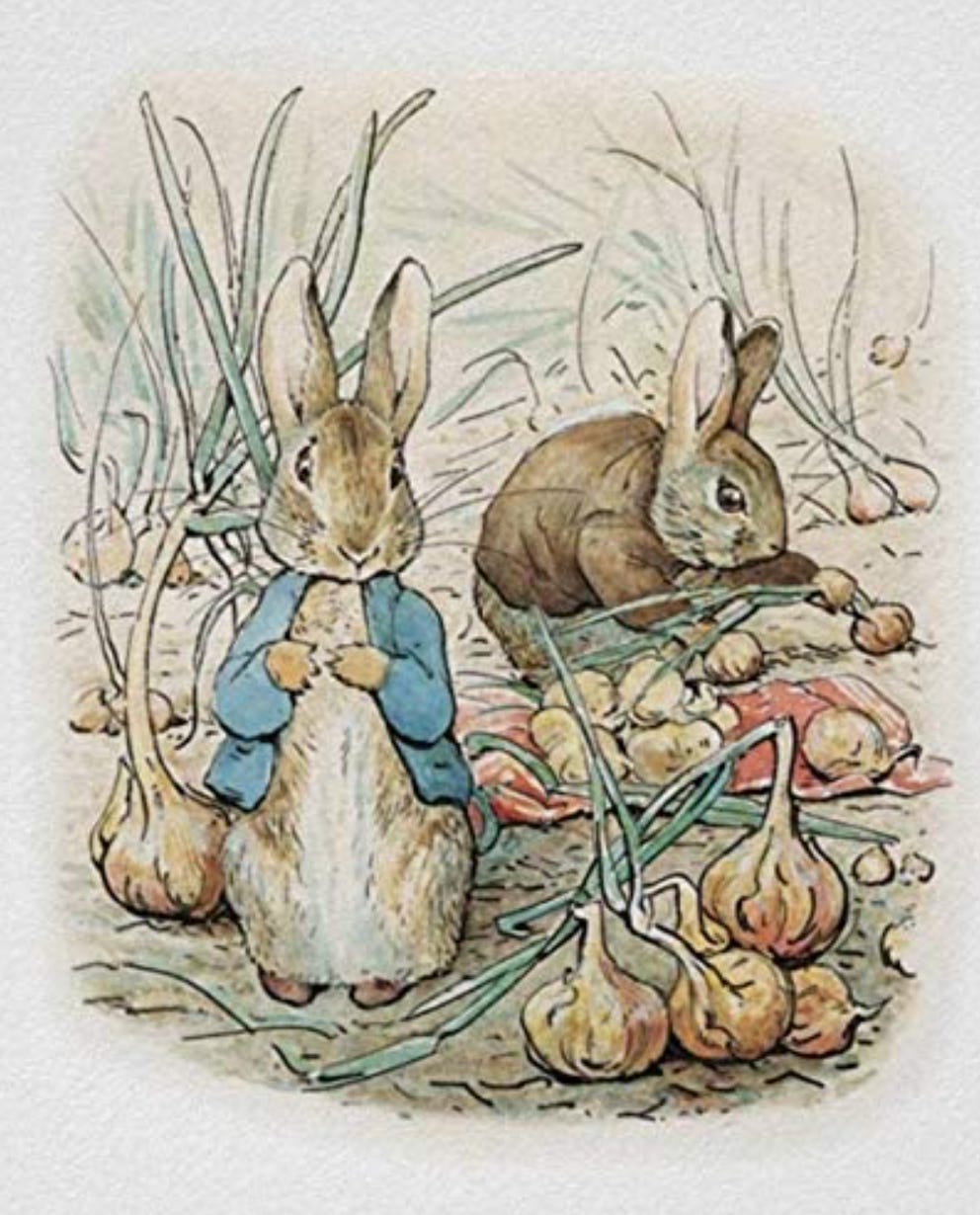
This certainly isn’t the first time we’ve seen censorship in children’s literature. The Inner London Education Authority, an elected government entity which oversaw London’s state schools, banned Beatrix Potter’s Peter Rabbit and Benjamin Bunny in 1985 based on their emphasis on “middle class rabbits.”
Revising books, rather than banning them altogether, may seem less offensive to some. But a closer examination suggests that the publisher’s revisions of Dahl’s books raise serious questions and may set a dangerous censorship precedent when it comes to classic children’s literature. Altering the language of books corrupts literary quality and risks normalizing posthumous editing.
A “classic” work of literature transcends time and possesses a distinctive appeal that touches generations of readers. Mangling the words of a children’s classic can destroy its magic by disrespecting the author’s intent and corrupting the artistry of their creation.
The revised work essentially assaults the integrity of the original.
If Aunt Sponge suddenly becomes fabulously fit or superlatively svelte rather than “terrifically fat”, she is no longer the gluttonous counterpart to the “bony” and sinister Aunt Spiker. The imagery and characteristics of these “two ghastly hags” contrast with those of the protagonist, James, and amplify his fragile innocence. These characters, grotesque and offensive as they may be to some, make James more sympathetic and serve an essential literary purpose in Dahl’s tale. Indeed, some villains are deplorable, and that’s often the point.
For those who prefer traditional fairytales, who is Cinderella without her evil stepsisters and stepmother?
How far are some publishers willing to go in pursuit of preventing offense (save deceased authors who are unable to defend themselves and their work)?
Instead of editing classics, perhaps we should use language we find offensive to teach about author bias and key moral principles. An insightful parent or teacher could, for example, use Aunts Sponge and Spiker to demonstrate that one’s character, and not body shape, makes one good or evil.
The canon of children’s literature is replete with material that may offend. Sexism, racism, and violence abound. Consider the macabre nature of Little Red Riding Hood or the portrayal of Native Americans in Laura Ingalls Wilder’s Little House on the Prairie. Posthumous revisions could become a dangerous publishing norm.
Many have recognized that children’s books, despite being designed for audiences small in stature, have potentially enormous societal influence and cultural power. Perhaps this explains in part why so many have passionately voiced concerns about recent events, and why organizations such as Inclusive Minds are targeting children’s books by cultivating influence with the world’s leading publishing houses.
We certainly want to teach children to be empathetic and kind. But engaging in censorship and expunging villains and negative portrayals from children’s literature may not represent the best way to teach those virtues.
The approach proffered by Inclusive Minds would corrupt literary quality and normalize posthumous editing. This approach, if unchecked, could eventually make classics of children’s literature unrecognizable or even unavailable to the point that they tragically disappear.
That would certainly be a loss for all of us.
Until the next post!
Antonette
I’m working on a piece about censorship too taking this issue and others into account! Good read!